The Northern Beaches Council Aboriginal Heritage Assessment Report
>>>
The Northern Beaches Council Aboriginal Heritage Assessment Report
Northern Beaches Council may request an Aboriginal Heritage Assessment Report as part of a Development Application (DA) if the property is located in an area considered to have Aboriginal heritage sensitivity.
If an Aboriginal Heritage Assessment Report is required, our role is to provide the detailed information and professional advice needed to support your DA and help ensure it can be approved.
What is an Aboriginal Heritage Assessment Report?
An Aboriginal Heritage Assessment Report is a straightforward, structured process carried out by an archaeologist or Aboriginal heritage specialist. The specialist reviews the proposed development area and assesses it in accordance with the Due Diligence Code of Practice for the Protection of Aboriginal Objects in New South Wales (2010).
The purpose of the assessment is to determine whether Aboriginal heritage is present—or likely to be present—and whether the proposed works have the potential to impact or harm that heritage.
Equally important, the assessment may determine that there is no likelihood of Aboriginal heritage being present. This can occur when the property has been significantly disturbed by past land use, or when it is not situated within a landscape or near features that archaeologists consider conducive to past Aboriginal occupation.
This process ensures that development proceeds with clarity, compliance, and confidence.
Does your project Need an Aboriginal Heritage Assessment Report?
What does an Aboriginal Heritage Assessment Report involve?
- Research and Contextual Analysis: This stage involves reviewing all available information relevant to the site. It includes consulting heritage registers—such as the Aboriginal Heritage Information Management System (AHIMS)—and examining historical, environmental, and cultural context to understand whether Aboriginal heritage values may be present.
- Site Inspection: If a closer inspection of the property is warranted, a site visit is undertaken. This allows the assessor to visually inspect the landscape and identify any indicators of Aboriginal heritage or broader archaeological potential.
- Review Geotechnical Reports: Where geotechnical investigations have been completed, borehole logs and soil profile data are analysed to assess the underlying geomorphology. This helps determine whether the area is likely to contain undisturbed archaeological deposits.
Landscapes that Typically Require an Aboriginal Heritage Assessment Report
In accordance with the Due Diligence Code of Practice for the Protection of Aboriginal Objects in New South Wales (2010), certain landscape settings may trigger the need for an Aboriginal Heritage Assessment Report when lodging a Development Application (DA) within the Northern Beaches Council area.
It is important to note, however, that the presence of these landscape features does not automatically indicate that Aboriginal heritage objects are present, nor does it guarantee archaeological potential. Instead, these features serve as indicators that further assessment may be warranted to ensure legislative compliance and best-practice heritage management. This is why it is essential to have an experienced archaeologist assess the property.
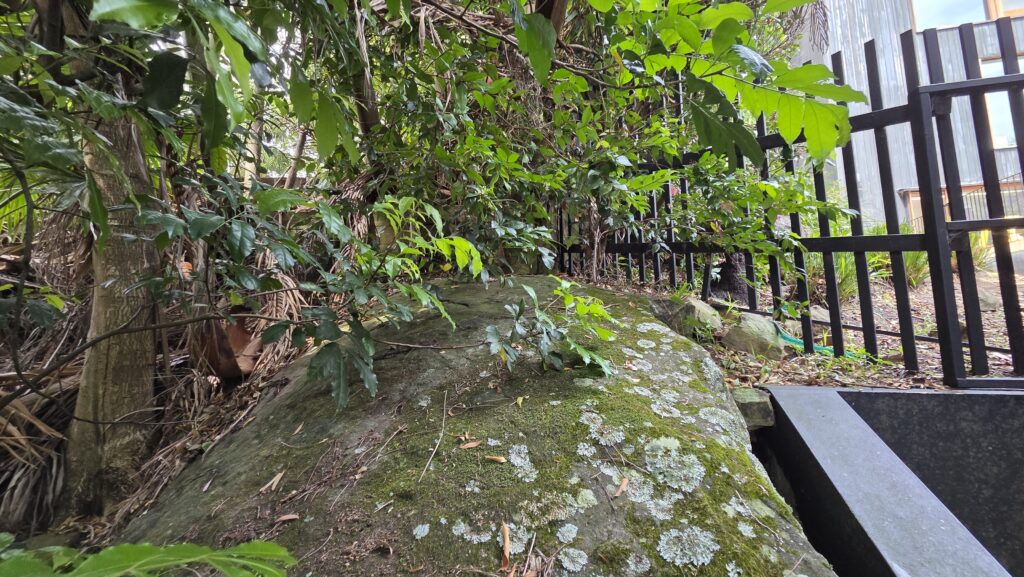
Sandstone
If the proposed development area contains sandstone formations—such as rock platforms, overhangs, shelters, caves, or large boulders—the Due Diligence Code notes that these features may have the potential to contain Aboriginal objects.
Coastal Dunes
Coastal dune systems were often used by Aboriginal people as temporary campsites and, in some cases, as burial locations. As a result, dune landscapes may require further heritage assessment.

Valleys and Gullies
Valleys and gullies commonly contain sandstone features noted above. These areas may have been used as camp locations or for ceremonial activities, making them potentially sensitive in a heritage context.
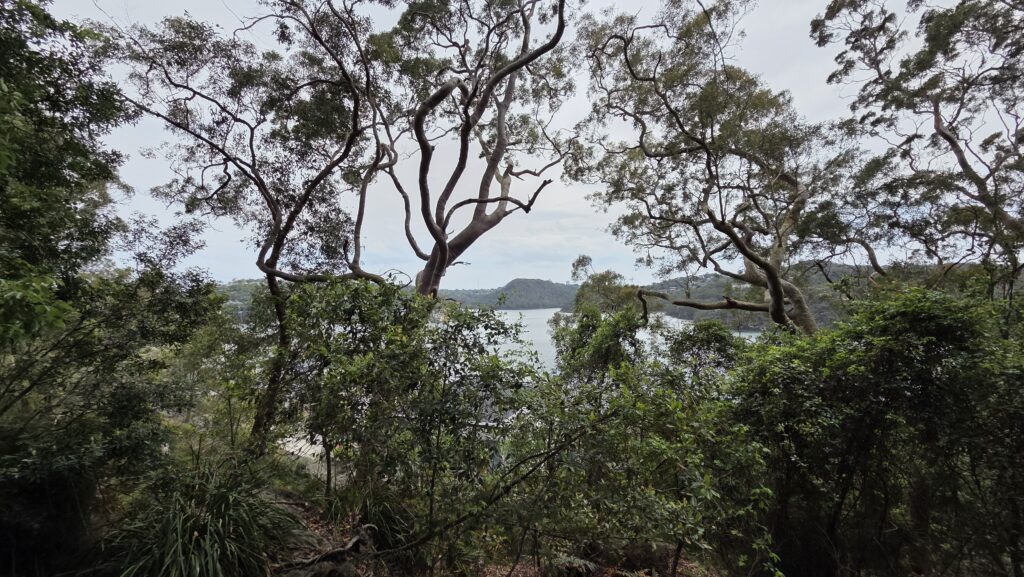
Waterfronts
Land fronting, overlooking, or situated near beaches, lagoons, and river systems may have Aboriginal heritage potential. Aboriginal people relied heavily on these waterways for food—such as fish, shellfish, and crustaceans—as well as for materials like shell for fishing hooks and reeds for weaving. Campsites were frequently located on open flats or among sandstone features, often within 30 metres of the high-tide mark, though inland camps were also common.
Importantly, being near water does not automatically mean a property contains Aboriginal heritage—it simply indicates that further consideration may be needed.
Creeks and Streams
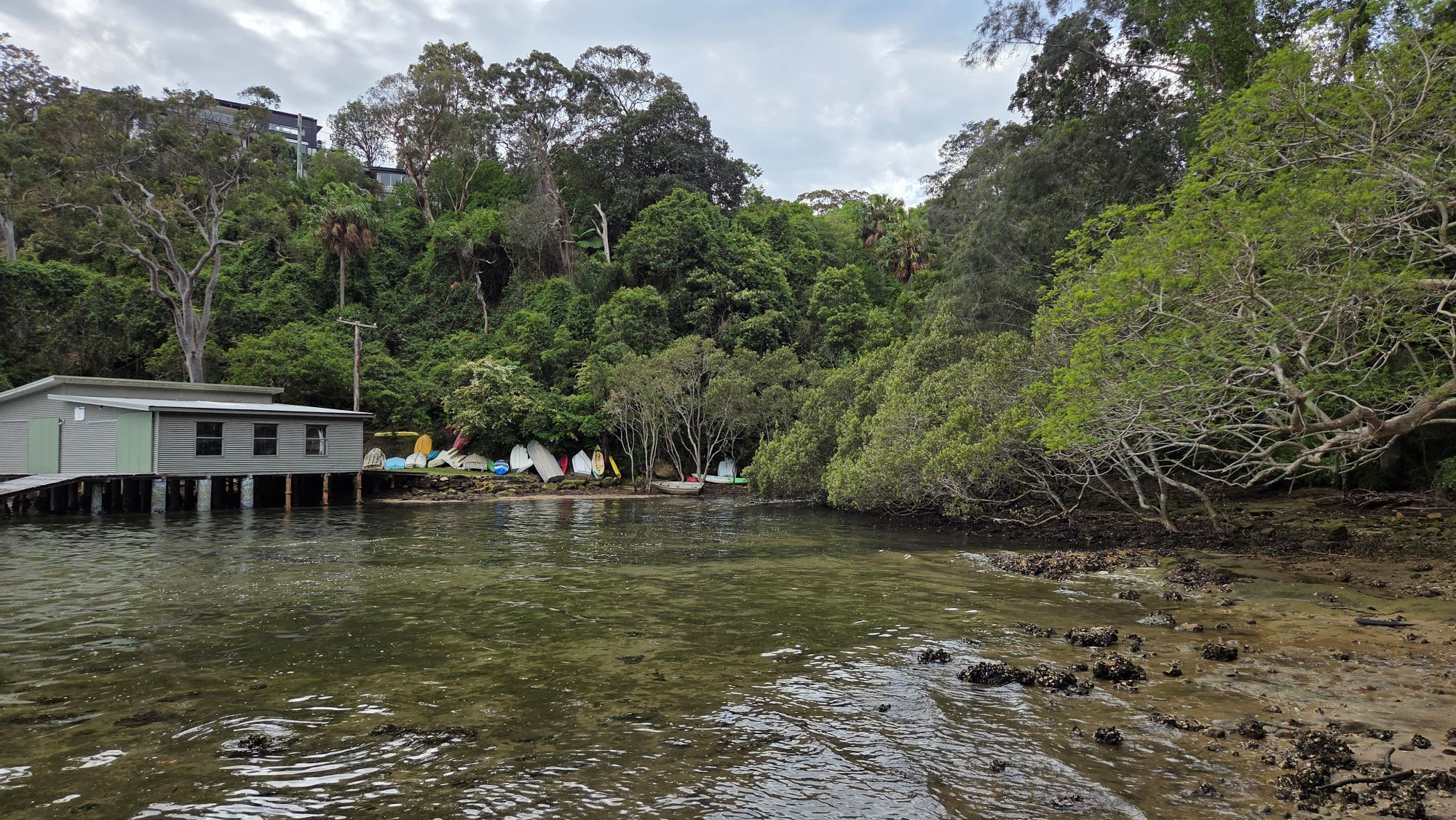
Many Northern Beaches properties include or adjoin natural creek lines. These waterways were significant to Aboriginal people as sources of fresh water and places to collect resources. The sandstone channels through which these creeks flow may contain grinding grooves, small engravings, water-holding depressions, art, or evidence of former campsites. Deep pools were also used for swimming and bathing.
Hilltops and Ridge Lines
Certain ridgelines and elevated hilltops were valued as lookouts, campsites, or ceremonial sites. These locations may contain isolated stone artefacts, stone arrangements, engravings, scarred trees, or other culturally significant features.

Contact Us to Discuss Your Project
Choosing a Consultant with the Right Expertise
The Northern Beaches sit within the coastal sandstone belt, a landscape that contains Aboriginal heritage features distinct from those found elsewhere in Greater Sydney. Not all heritage consultants specialise in this region, and an incorrect assessment can have significant consequences for your Development Application—leading to delays, additional costs, or requests for further studies.
Talking Walls Heritage Consultants specialises in the archaeology and cultural landscapes of the Northern Beaches. Our expertise ensures that your property’s Aboriginal heritage potential is assessed accurately and in line with best-practice guidelines and legislative requirements.
Working with Talking Walls
Our goal is to support all parties in achieving a clear and compliant outcome through the assessment process. We aim to help you secure DA approval by ensuring all Council requirements are met, while also giving Aboriginal communities confidence that their cultural heritage is respected and properly protected.
If Aboriginal heritage is present, we work with you to develop practical, cost-effective solutions that minimise delays and help your project progress efficiently.
Contact Us for an Assessment
Contact us to discuss the Aboriginal Heritage Due Diligence Assessment in relation to your property in the Northern Beaches Council LGA.
Elliot@talkingwallshistory.com.au